Gastroenteritis Diet: A Comprehensive Guide (Updated April 22, 2026)
Navigating a gastroenteritis diet requires careful planning, focusing on gentle rehydration and easily digestible foods․ This guide provides a structured approach,
offering a downloadable PDF resource for convenient access to detailed dietary recommendations and recovery strategies․
Understanding Gastroenteritis & Dietary Needs
Gastroenteritis, commonly known as the “stomach flu,” is an inflammation of the digestive system causing discomfort and disruption․ Dietary management is crucial during and after an episode, shifting focus to soothing the irritated gut and restoring essential nutrients․ A well-planned diet aids recovery, minimizes symptoms like nausea, vomiting, and diarrhea, and prevents dehydration – a significant concern․
Understanding the interplay between food and gut health is paramount․ Certain foods exacerbate symptoms, while others promote healing․ This guide, available as a PDF download, details a phased approach, starting with rehydration and clear liquids, progressing to bland foods, and finally, a gradual return to a normal diet․
The downloadable PDF resource offers a comprehensive overview, including lists of acceptable and prohibited foods for each phase, sample meal plans, and practical tips for managing symptoms․ It emphasizes the importance of individualized tolerance and listening to your body’s signals; Prioritizing easily digestible options and avoiding irritants are key to a swift and comfortable recovery․
What is Gastroenteritis? (Causes & Symptoms)
Gastroenteritis is an inflammation of the stomach and intestines, typically caused by viral, bacterial, or parasitic infections․ Common culprits include Norovirus and Rotavirus, often spread through contaminated food, water, or close contact with infected individuals․ Poor hygiene practices significantly contribute to transmission․ Understanding the causes is the first step towards prevention and effective management․
Symptoms manifest variably, but frequently include diarrhea, vomiting, nausea, stomach cramps, and sometimes fever․ Dehydration is a major concern, especially in infants, young children, and the elderly․ Recognizing these symptoms promptly is vital for initiating appropriate care․ A detailed symptom checklist is included in the accompanying PDF guide․
The downloadable PDF resource provides a visual guide to symptom severity and offers guidance on when to seek medical attention․ It also clarifies the difference between gastroenteritis and food poisoning, aiding in accurate self-assessment․ Managing symptoms effectively often begins with dietary adjustments, focusing on gentle rehydration and avoiding irritants – principles outlined within the comprehensive guide․
The Importance of Diet During Recovery
Diet plays a crucial role in recovering from gastroenteritis, going beyond simply stopping symptoms․ It actively supports the healing of the inflamed digestive tract and replenishes lost nutrients․ Initially, the focus is on rehydration and minimizing further irritation․ A carefully planned diet allows the gut to rest and recover, preventing prolonged discomfort and complications․
The downloadable PDF guide details a phased approach to dietary reintroduction, starting with clear liquids and gradually progressing to bland, easily digestible foods․ This methodical approach minimizes the risk of exacerbating symptoms․ Ignoring dietary needs can prolong illness and hinder full recovery․
The PDF resource emphasizes the importance of avoiding foods that can worsen inflammation, such as fatty, spicy, or sugary items․ It provides a comprehensive list of suitable and unsuitable foods for each recovery phase․ Understanding these dietary principles, readily available in the PDF, empowers individuals to actively participate in their healing process and regain optimal gut health․
Phase 1: Initial Rehydration & Clear Liquids
The first phase of recovery centers on rehydration, addressing fluid loss from vomiting and diarrhea․ This is paramount before introducing any solid foods․ Clear liquids are easily absorbed and minimize further gut irritation․ The PDF guide stresses small, frequent sips rather than large volumes, preventing nausea and discomfort․
Focus on liquids like water, clear broth, and oral rehydration solutions – specifically formulated to replenish electrolytes lost during illness․ These solutions are detailed within the downloadable PDF, outlining appropriate concentrations and usage․ Avoid sugary drinks, as they can worsen diarrhea due to their osmotic effect․
The PDF resource provides a comprehensive list of acceptable and unacceptable liquids for Phase 1, ensuring informed choices․ It also highlights the importance of monitoring urine color as an indicator of hydration status․ This initial phase, guided by the PDF, sets the foundation for successful recovery and prepares the gut for subsequent dietary stages․
Acceptable Clear Liquids (Water, Broth, Electrolyte Solutions)
Prioritizing hydration with appropriate clear liquids is crucial during the initial recovery stage․ The downloadable PDF guide emphasizes water as the cornerstone of rehydration, recommending small, frequent sips throughout the day․ Clear broth, preferably low-sodium, provides both fluids and a small amount of electrolytes, aiding in recovery․

Oral rehydration solutions (ORS) are particularly vital, as they replenish lost electrolytes like sodium, potassium, and chloride – essential for maintaining bodily functions․ The PDF details various ORS brands and provides instructions for proper preparation, especially for children․ Homemade ORS recipes are also included, with precise measurements to ensure effectiveness․
Further acceptable options, detailed in the PDF, include clear fruit juices diluted with water (avoiding citrus), and weak tea․ The PDF stresses avoiding pulp and concentrated sugars․ It also provides a handy checklist for quick reference, ensuring you select the most beneficial clear liquids for optimal rehydration and a smoother recovery process․
Liquids to Avoid During Phase 1 (Juice, Milk, Caffeine)
During the initial phase of gastroenteritis recovery, certain liquids can exacerbate symptoms and hinder rehydration․ The comprehensive PDF guide clearly outlines which beverages to avoid․ Full-strength fruit juices, while seemingly healthy, contain high sugar content that can worsen diarrhea due to their osmotic effect․ Diluting juice is not always sufficient during this sensitive stage․
Dairy products, including milk, are generally discouraged as lactose intolerance can temporarily develop during gastroenteritis, leading to increased bloating and discomfort․ The PDF explains the temporary lactase deficiency and suggests lactose-free alternatives only after tolerating clear liquids․
Caffeinated beverages like coffee, tea, and soda are strictly prohibited as they act as diuretics, promoting fluid loss and potentially worsening dehydration․ The PDF emphasizes that even small amounts of caffeine can counteract rehydration efforts․ Alcoholic beverages are also to be avoided․ A detailed ‘Do Not Drink’ list is included in the PDF for easy reference, ensuring a focused recovery․
Phase 2: Introducing Bland, Easily Digestible Foods
As symptoms subside, transitioning to bland foods is crucial for replenishing energy and aiding digestive recovery․ Our detailed PDF guide provides a structured approach to reintroducing solids, emphasizing gentle options that minimize gastrointestinal distress․ This phase focuses on foods low in fiber, fat, and spices, allowing the inflamed digestive tract to heal․
The PDF stresses starting with small portions to assess tolerance․ It’s vital to observe for any return of symptoms like nausea, vomiting, or diarrhea․ Foods should be soft and easy to chew, reducing the burden on the digestive system․ The guide includes a sample meal plan for Phase 2, offering practical ideas․
Prioritize foods that bind the stool, helping to normalize bowel movements․ The PDF highlights the importance of listening to your body and progressing at your own pace․ It also includes a checklist to track food tolerance and identify potential triggers․ Remember, patience is key during this phase of recovery, as detailed within the downloadable PDF․
The BRAT Diet: Bananas, Rice, Applesauce, Toast
The BRAT diet – Bananas, Rice, Applesauce, and Toast – remains a cornerstone of Phase 2 recovery, as detailed in our comprehensive PDF guide․ These foods are easily digestible, low in fiber, and help bind the stool, reducing diarrhea․ The PDF emphasizes that while helpful, the BRAT diet shouldn’t be followed exclusively for extended periods due to its limited nutritional value․
Our downloadable PDF explains why each food is beneficial: Bananas provide potassium lost through diarrhea, rice is bland and easily digested, applesauce offers pectin which can help solidify stool, and toast provides carbohydrates for energy․ The PDF includes preparation suggestions – for example, white rice is preferred over brown due to its lower fiber content․
The PDF also cautions against relying solely on BRAT foods for more than a day or two․ It stresses the importance of gradually reintroducing other bland foods to ensure adequate nutrient intake․ It provides a timeline for transitioning beyond the BRAT diet, alongside a list of suitable alternatives, all available within the PDF resource․
Other Suitable Bland Foods (Plain Crackers, Boiled Potatoes)
Expanding beyond the BRAT diet, our gastroenteritis diet PDF highlights several other bland foods ideal for Phase 2 recovery․ Plain crackers, particularly saltines, can help settle the stomach and absorb excess fluids․ The PDF details how their low fiber content aids digestion during sensitive periods․
Boiled potatoes, without skin or added butter/milk, are another excellent choice, providing carbohydrates for energy․ Our PDF resource emphasizes the importance of simple preparation methods – boiling is preferred over baking or frying; It also suggests mashing potatoes for easier consumption․
The downloadable PDF further recommends options like plain noodles (without sauce), clear vegetable broth, and cooked carrots․ It stresses the importance of portion control and listening to your body’s signals․ The PDF includes a handy checklist of “safe” foods and a guide to recognizing foods that might exacerbate symptoms․ It also provides a printable meal plan for easy reference during recovery, all within the PDF document․
Foods to Avoid in Phase 2 (Fatty Foods, Spicy Foods, Dairy)
Our comprehensive gastroenteritis diet PDF clearly outlines foods to avoid during Phase 2, crucial for preventing symptom relapse․ Fatty foods, like fried items and rich sauces, are difficult to digest and can worsen nausea and diarrhea․ The PDF explains how fat delays gastric emptying, irritating the recovering digestive system․
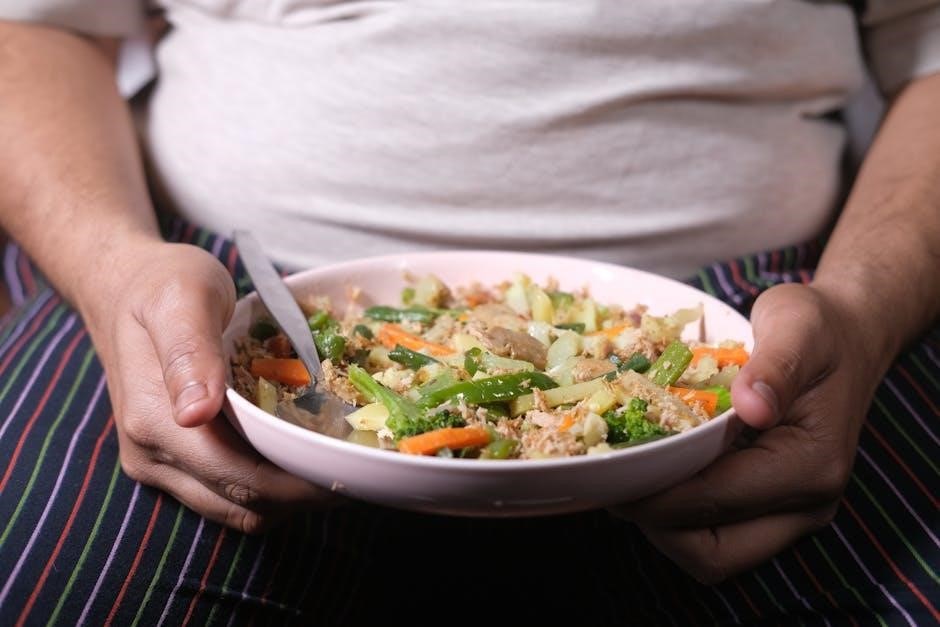
Spicy foods are equally problematic, stimulating the gut and potentially causing inflammation․ The PDF details specific spices to avoid, like chili powder and pepper․ Dairy products, even in small amounts, can be poorly tolerated due to temporary lactose intolerance following gastroenteritis, as detailed in the PDF․
The downloadable PDF also advises against avoiding high-fiber foods, citrus fruits, and sugary drinks․ It provides a detailed “avoid” list and explains why each food group is unsuitable․ The PDF emphasizes that individual tolerance varies, but these foods are generally best avoided until Phase 3․ It includes a symptom tracker within the PDF to help identify personal trigger foods during recovery․
Phase 3: Gradual Return to a Normal Diet
Our gastroenteritis diet PDF guides you through Phase 3 – the careful reintroduction of foods․ This phase emphasizes listening to your body and monitoring tolerance levels․ The PDF stresses a slow and steady approach, adding one new food every 1-2 days to identify potential triggers․ It’s vital to avoid overwhelming the recovering digestive system․
The downloadable PDF provides a structured plan, starting with easily digestible proteins like lean meats, poultry, and fish․ It details appropriate portion sizes and cooking methods (baked, grilled, or steamed are preferred)․ Healthy carbohydrates, such as whole grains and cooked vegetables, are then gradually incorporated, as outlined in the PDF․
The PDF also includes a detailed food diary template to track symptoms and identify any adverse reactions․ It emphasizes the importance of staying hydrated and continuing probiotic intake․ The PDF clarifies that a full return to a normal diet may take several weeks, and patience is key․ It also offers tips for preventing relapse, ensuring long-term gut health․
Reintroducing Foods Slowly & Monitoring Tolerance
Our comprehensive gastroenteritis diet PDF emphasizes a cautious approach to reintroducing foods․ The PDF details a systematic method: introduce one new food every one to two days, starting with small portions․ This allows for careful monitoring of your body’s response, identifying any potential triggers for discomfort or relapse․ The PDF stresses the importance of keeping a detailed food diary․
The downloadable PDF provides a symptom checklist – bloating, gas, cramping, nausea, or changes in stool consistency – to help you accurately assess tolerance․ If symptoms reappear, immediately revert to the previous, well-tolerated foods․ The PDF clarifies that individual tolerance varies significantly, and there’s no one-size-fits-all timeline․
The PDF also highlights the significance of mindful eating – chewing food thoroughly and eating slowly․ It advises against large meals, even with well-tolerated foods․ The PDF serves as a personalized guide, empowering you to navigate the recovery process at your own pace, ensuring optimal gut health and minimizing setbacks․
Protein Sources to Include (Lean Meats, Poultry, Fish)
Our gastroenteritis diet PDF highlights the crucial role of protein in tissue repair and recovery post-illness․ However, the PDF stresses selecting easily digestible protein sources․ Lean meats like skinless chicken or turkey, are recommended, prepared through gentle methods such as poaching, steaming, or baking – avoiding frying or heavy seasoning․ The PDF provides specific recipe suggestions․
The downloadable PDF also suggests incorporating fish, particularly white fish like cod or haddock, as excellent protein options․ These are generally lower in fat and easier on the digestive system․ The PDF cautions against fatty fish initially, as they can exacerbate symptoms․ Portion control is key, as outlined in the PDF․
The PDF emphasizes avoiding processed meats, which often contain additives and higher fat content․ It also details how to gradually increase protein intake as tolerance improves, always monitoring for any digestive distress․ The PDF serves as a practical resource for rebuilding strength and supporting gut healing through optimal protein consumption․
Healthy Carbohydrates (Whole Grains, Vegetables)
Our gastroenteritis diet PDF emphasizes the importance of carbohydrates for energy restoration, but stresses choosing easily digestible options․ The PDF recommends starting with simple carbohydrates like white rice, progressing to more complex sources as tolerance increases․ Whole grains, such as oatmeal or well-cooked quinoa, are highlighted in the PDF as beneficial for gut health due to their fiber content, but should be introduced cautiously․
The downloadable PDF details which vegetables are best suited during recovery․ Steamed or boiled potatoes (without skin initially), carrots, and green beans are recommended․ The PDF advises avoiding raw vegetables and those high in insoluble fiber, as they can irritate the digestive system․ It provides a comprehensive list within the PDF․
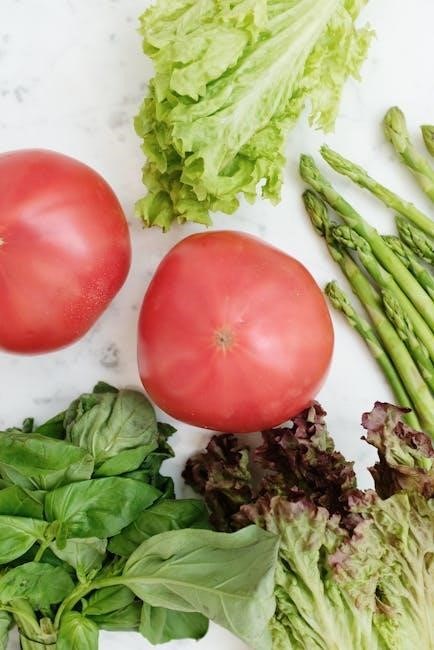
The PDF stresses the importance of portion control and proper cooking methods․ It also outlines how to monitor for any adverse reactions when reintroducing carbohydrates․ The PDF serves as a valuable guide for replenishing energy stores and supporting digestive recovery through mindful carbohydrate choices․
Long-Term Dietary Considerations Post-Gastroenteritis
Our gastroenteritis diet PDF doesn’t just focus on immediate recovery; it also outlines crucial long-term dietary habits for sustained gut health․ The PDF emphasizes a balanced diet rich in fiber, promoting a diverse gut microbiome․ It details how to gradually increase fiber intake post-recovery, preventing digestive upset․
The downloadable PDF stresses the importance of regular probiotic consumption, either through fermented foods or supplements, to rebuild beneficial gut bacteria․ It provides a list of probiotic-rich foods within the PDF․ Hydration remains a key focus, with the PDF recommending continued adequate fluid intake even after symptoms subside․
The PDF also addresses potential food sensitivities that may emerge after gastroenteritis․ It suggests an elimination diet, guided by the PDF’s instructions, to identify trigger foods․ Maintaining a healthy lifestyle, including regular exercise and stress management, is also highlighted in the PDF as vital for long-term digestive well-being․ This comprehensive PDF ensures lasting gut health;
Probiotics & Gut Health Recovery
Our gastroenteritis diet PDF deeply explores the pivotal role of probiotics in restoring gut health after illness․ Gastroenteritis often disrupts the natural balance of gut bacteria, and replenishing these beneficial microbes is crucial for a swift and complete recovery․ The PDF details how probiotics aid digestion, enhance nutrient absorption, and strengthen the intestinal barrier․
The downloadable PDF provides a comprehensive list of probiotic-rich foods, including yogurt, kefir, sauerkraut, and kimchi, offering practical dietary additions․ It also discusses probiotic supplements, outlining different strains and appropriate dosages, all detailed within the PDF․ The PDF clarifies that not all probiotics are equal, and choosing the right strain is key․

The PDF emphasizes the importance of combining probiotic intake with a prebiotic-rich diet, feeding the good bacteria․ Foods like garlic, onions, and bananas are highlighted in the PDF․ It also cautions against antibiotic use, as it can counteract the benefits of probiotics․ This PDF is your guide to a thriving gut microbiome post-gastroenteritis․
Preventing Future Episodes Through Diet & Hygiene
Our gastroenteritis diet PDF extends beyond recovery, offering proactive strategies to minimize future occurrences․ Preventing gastroenteritis hinges on diligent hygiene practices and a mindful dietary approach, both thoroughly detailed within the PDF․ The PDF stresses the importance of frequent and thorough handwashing, especially after using the restroom and before food preparation․
The downloadable PDF outlines safe food handling practices, including proper cooking temperatures and avoiding cross-contamination․ It emphasizes the risks associated with consuming raw or undercooked foods, particularly when traveling, as detailed in the PDF․ The PDF also highlights the importance of safe water sources, recommending bottled or boiled water in areas with questionable water quality․
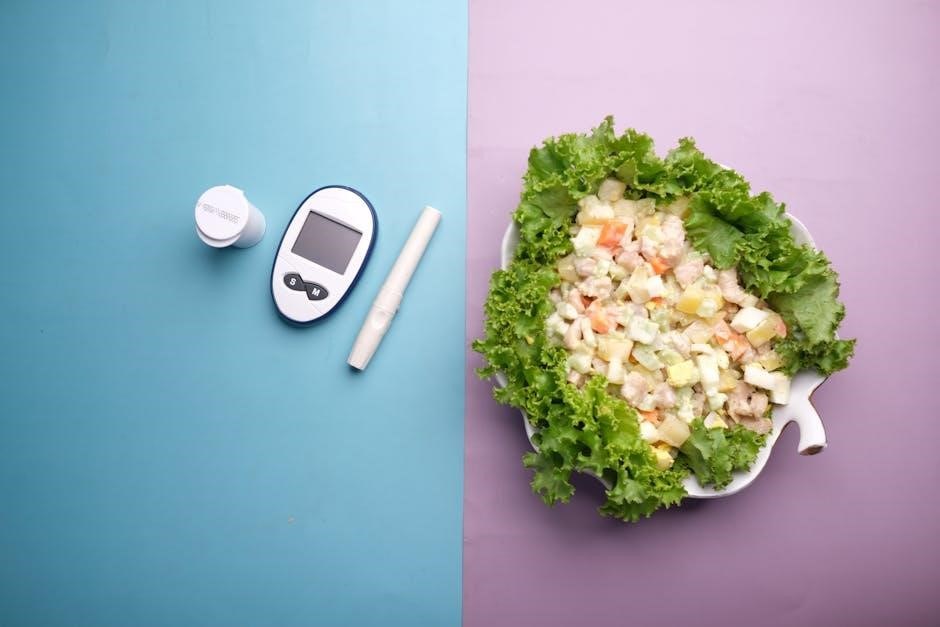
The PDF further explores dietary considerations, suggesting a balanced diet rich in fruits, vegetables, and fiber to bolster immune function․ It cautions against excessive sugar intake, which can weaken the immune system․ This PDF serves as a preventative guide, empowering you to safeguard your gut health and minimize the risk of future gastroenteritis episodes․
When to Seek Medical Attention (Dehydration Signs & Complications)
Our comprehensive gastroenteritis diet PDF also emphasizes recognizing when home management is insufficient and medical intervention is crucial․ While dietary adjustments are vital, certain symptoms necessitate immediate medical attention, as clearly outlined within the PDF․ The PDF details key dehydration signs, including decreased urination, dark urine, dizziness, and extreme thirst – indicators demanding prompt evaluation․
The downloadable PDF highlights potential complications like severe dehydration requiring intravenous fluids, electrolyte imbalances, and persistent vomiting preventing oral rehydration․ It stresses that infants, young children, the elderly, and individuals with underlying health conditions are particularly vulnerable and require closer monitoring, as detailed in the PDF․
The PDF also addresses warning signs such as bloody stools, high fever, or severe abdominal pain, signaling a potentially more serious condition․ This PDF isn’t a substitute for professional medical advice; it’s a guide to help you understand when to seek immediate care, ensuring timely diagnosis and appropriate treatment to prevent complications․